Luxury Hospitality at 3,000 meters in Switzerland
Updated: Sep 12

This week, while preparing for an interview for a senior hospitality position at Cabane Tortin in Switzerland, I found myself thinking less about the interview itself and more about a much bigger question. What does luxury hospitality actually mean at 3,000 metres above sea level?
Cabane Tortin is the highest private luxury mountain retreat in the Alps, positioned above the Tortin Glacier in the Valais region of Switzerland. It is the winner of the title "The World’s Best New Ski Chalet, 2025" and was designed by Norwegian architect Snorre Stinessen.
It is an extraordinary property. But what interested me most while preparing for the interview was not simply its architecture or its location. It was everything that has to happen behind the scenes to make luxury feel effortless in one of the least effortless environments imaginable. At this altitude, hospitality operates by different rules.
There is no conventional hotel driveway. Weather can change quickly. Access can become complicated. Food and beverage supplies require planning. Water and energy are precious resources. And the mountain, ultimately, decides what is possible on any particular day. This changes the meaning of luxury, and luxury here is not simply beautiful interiors, exceptional wine or a private chef.
It is essential to have several scenarios ready when the weather dramatically changes and being able to adapt the guest experience without making the guest feel that anything has gone wrong. That aspect so much fascinated me. If an outdoor programme suddenly becomes impossible, what happens next? If the weather closes in, how can limitations be transformed into something memorable?
Gastronomy that belongs to the place
The culinary experience is another important part of the chalet. Private-chef service is expected at this level of hospitality, but what makes it meaningful is not simply having an excellent chef in the kitchen. The private chef is the SOUL of the culinary experience in a private chalet. It is creating a sense of place through food.
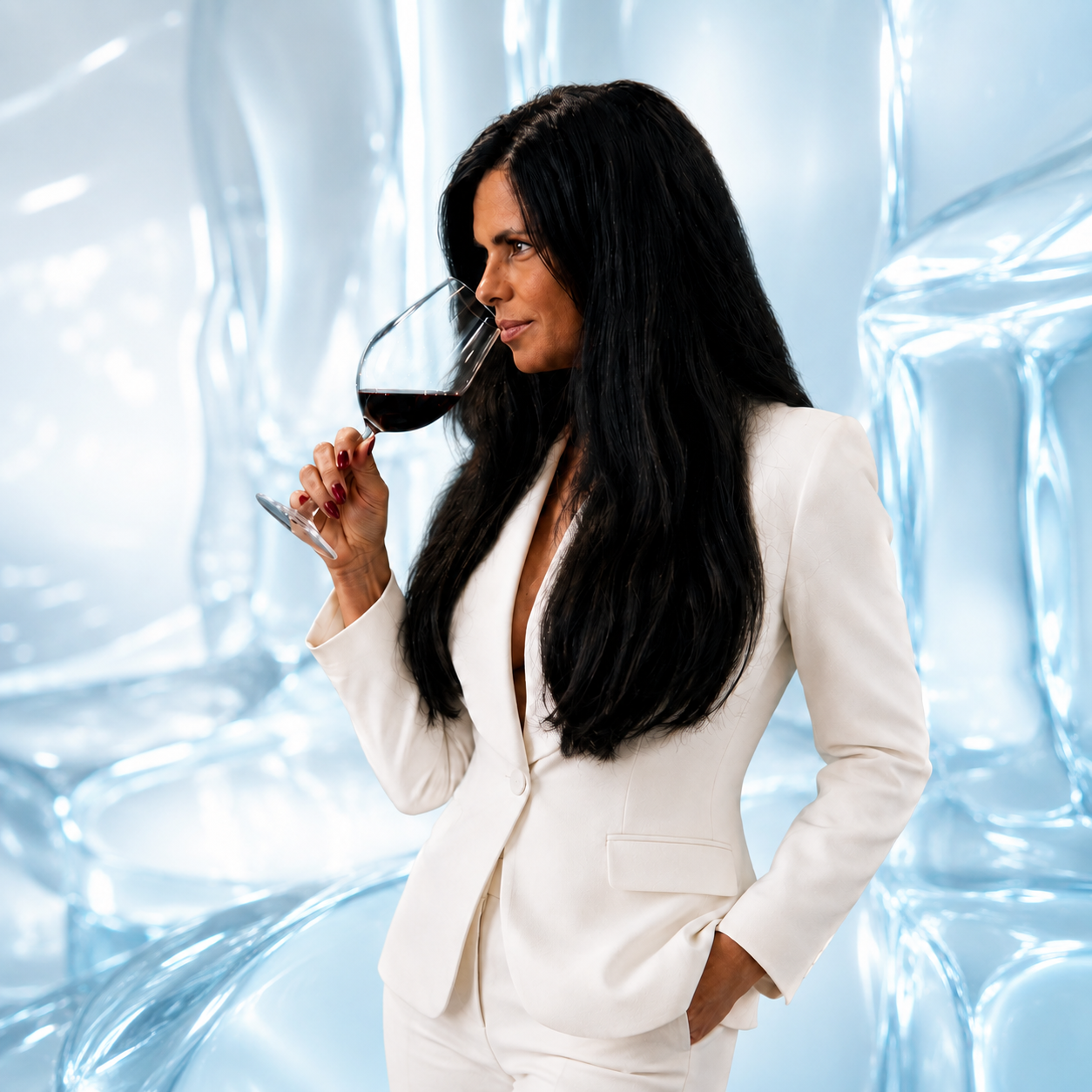
Valais has an extraordinary food culture, and using ingredients and products from the valley connects the guest to the landscape beyond what they can see through the window. That can mean local vegetables, cheeses, mountain produce and wines that tell something about the region. There is also something wonderful about having a carefully curated wine cellar at this altitude. Switzerland's wines are deeply connected to geography, and Valais in particular has an extraordinary viticultural identity.

The no ordinary check-in at Cabane Tortin
At Cabane Tortin, the guest experience begins before reaching the chalet itself. After leaving the lift, guests continue the journey in a tracked Can-Am vehicle, travelling through the Alpine terrain to the Cabane at 3,000 metres. The transfer is not simply transportation from one point to another. It becomes the first chapter of the stay.
Sustainability at 3,000 meters
Sustainability also takes on a very different meaning in such an environment. Cabane Tortin operates off-grid, with its own energy systems, water sourced from the mountain and an operational philosophy designed around minimising its impact on an extremely sensitive Alpine environment. Here, sustainability is not something added to a marketing campaign, because it fundamentally shapes how the property is run. That creates an interesting form of luxury.
Preparing for this interview made me look at mountain hospitality from a slightly different perspective. My key takeaways: being prepared for difficult access, limited infrastructure and unpredictable weather, and understanding adaptibility at 3,000 meters.
It was my pleasure being part of this conversation and feel the extraordinary magic of luxury hospitality at meters 3,000.


Comments